
What You Need to Know for Glowing Skin
Introduction:
If you’ve been considering a way to refresh your skin and improve its texture, a chemical peel might be just what you need. This treatment can help address common skin concerns like acne scars, sun damage, wrinkles, and uneven skin tone. But what exactly is a chemical peel? Let’s dive into the details and explore how this skincare treatment can help you achieve smoother, more radiant skin.
What is a Chemical Peel?
A chemical peel is a cosmetic procedure where a chemical solution is applied to the skin to exfoliate and remove dead skin cells. This process promotes the growth of new skin and can improve the texture and appearance of your skin over time. Depending on the strength of the peel, it can target surface-level skin issues or deeper concerns.
Types of Chemical Peels:
Chemical peels come in various strengths, each targeting different skin issues and offering varying results:
- Superficial Peels (Light Peels):
- What They Treat: Mild acne, minor sun damage, and dryness.
- How They Work: These peels use mild acids (like alpha hydroxy acids or salicylic acid) to exfoliate the outer layer of your skin. They don’t require much downtime.
- Medium Peels:
- What They Treat: Wrinkles, uneven pigmentation, and moderate acne scars.
- How They Work: A stronger acid solution is used to target deeper layers of the skin, providing more dramatic results, but may require a few days of recovery.
- Deep Peels:
- What They Treat: Deep wrinkles, severe sun damage, and more stubborn skin issues.
- How They Work: These peels penetrate the deepest layers of the skin and offer the most significant results. However, they also require a longer recovery time and should only be performed by a licensed professional.
Benefits of Chemical Peels:
- Smoother Skin Texture: The exfoliation process can leave your skin feeling soft and fresh.
- Improved Skin Tone: A peel can help reduce pigmentation issues like sun spots and hyperpigmentation.
- Acne and Scar Treatment: Chemical peels can help unclog pores, reduce acne, and minimize the appearance of scars.
- Wrinkle Reduction: A deeper peel can target fine lines and wrinkles, leaving your skin looking more youthful.
Is a Chemical Peel Right for You?
Before getting a chemical peel, it’s essential to evaluate your skin type and concerns. While peels work well for most skin types, it’s important to consult with a professional to determine the best option for your needs. People with certain skin conditions like active acne or rosacea should be cautious and discuss the risks with a dermatologist.
The Chemical Peel Procedure:
Here’s what you can expect during a chemical peel:
- Consultation: Your skincare professional will assess your skin, discuss your goals, and choose the best peel for you.
- Preparation: The area will be cleaned and prepped before the peel solution is applied.
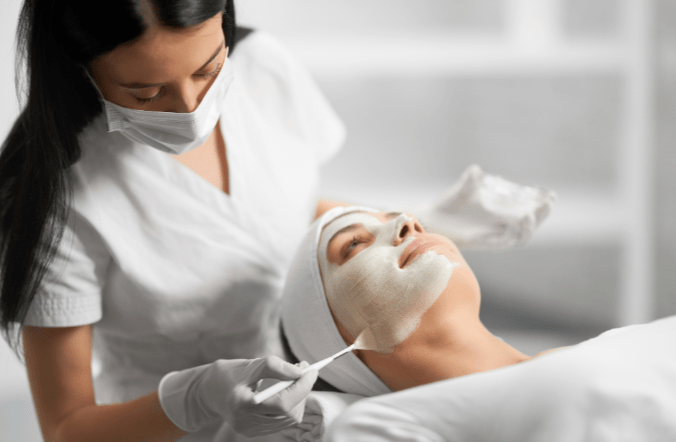
- Application: The chemical solution will be applied to your skin. You may feel a tingling or burning sensation.
- Post-Treatment: After the peel, you’ll be given instructions on how to care for your skin. You may experience redness, peeling, or dryness as your skin heals.
Aftercare and Recovery:
After your chemical peel, you’ll need to take special care of your skin to ensure the best results and minimize irritation:
- Moisturize Regularly: Keep your skin hydrated to support the healing process.
- Avoid Sun Exposure: Protect your skin from the sun by wearing sunscreen with a high SPF.
- Do Not Pick at Peeling Skin: Let your skin shed naturally to avoid scarring.
- Follow Professional Instructions: Your skin care provider will give you specific instructions on how to care for your skin post-peel.
Conclusion:
Chemical peels can be a fantastic way to refresh your skin, reduce blemishes, and even out your complexion. Whether you’re looking to treat acne scars or prevent early signs of aging, there’s a chemical peel out there that can help you reach your skin goals. Always consult with a licensed skincare professional to find the right treatment for your skin type and needs.
 4Aaesthetics